Course catalog
Hands-on infrastructure and platform engineering courses, written and maintained by the engineers who run the systems they describe. Every course listed here is available today.
All courses
Start Here: Your Path Through the Catalog
AvailableA short orientation course for the whole catalog: what it teaches, where to start, what lab you need, and how to work through thirty-five courses without wasting a year. This is the place to start. Level: Foundation.
Introduction to Linux
AvailableThis course teaches you the basic skills required to become a successful Platform/DevOps/System Engineer Level: Foundation.
Essential Linux Tools
AvailableMaster the tools that make you fast and effective on the command line -- from text editors and terminal multiplexers to version control, SSH configuration, dotfile management, and file operations. Assumes Introduction to Linux. Level: Foundation.
Shell Scripting
AvailableTeaches the basic shell scripting knowledge. Assumes Introduction to Linux and Essential Linux Tools. Level: Core.
Storage and Backup
AvailableNetwork, block, cluster and object storage -- NFS, Samba, iSCSI, multipathing, OCFS2, DRBD and SeaweedFS -- and the backup and restore practice built on top of them, including restores you have actually tested. Assumes Introduction to Linux. Level: Core.
Virtualization Fundamentals
AvailableRun virtual machines on Linux with KVM and libvirt: provisioning, storage, networking and lifecycle. Assumes Introduction to Linux, Storage and Backup. Level: Core.
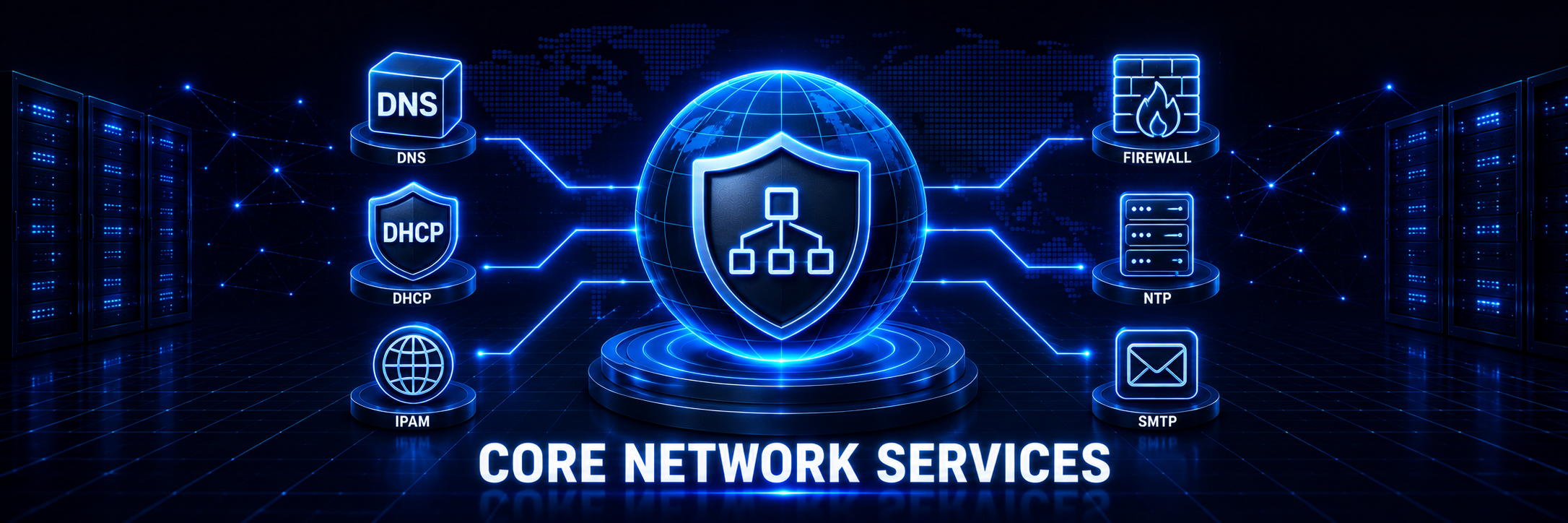
Core Network Services
AvailableThe services every network depends on and every engineer is expected to run: DNS end to end, and DHCP for addressing, reservations and failover. Assumes Introduction to Linux. Level: Core.
Docker Containers
AvailableBuild, run and network Docker containers, and understand the Linux primitives they are made of. Assumes Introduction to Linux. Level: Core.
Python for Infrastructure Automation
AvailableWrite Python that manages infrastructure: APIs, structured data, automation scripts and tooling you will keep. Assumes Introduction to Linux and Shell Scripting. Level: Intermediate.
Ansible Automation
AvailableAutomate configuration management across a fleet with Ansible: inventories, playbooks, roles, templates and idempotent change. Assumes Introduction to Linux and Shell Scripting. Level: Intermediate.
Terraform Infrastructure as Code
AvailableDeclare and manage infrastructure with Terraform and OpenTofu: state, modules, providers and safe change. Assumes Introduction to Linux and Essential Linux Tools. Level: Intermediate.
GitOps and CI/CD
AvailableBuild pipelines that test, package and deploy your infrastructure, and adopt GitOps as the delivery model. Assumes Essential Linux Tools and Docker Containers. Level: Intermediate.

Kubernetes
AvailableRun workloads on Kubernetes: scheduling, services, ingress, storage, configuration and day-two operation. Assumes Docker Containers, Introduction to Linux and Storage and Backup. Level: Advanced.
Homelab: The Project That Runs Through the Catalog
AvailableOne lab, built across every course, in twelve milestones with acceptance criteria you can prove. The specification, the architecture decisions, the evidence to capture as you go, and how to present the result in an interview. Assumes Introduction to Linux. Level: Core.

Observability and Monitoring
AvailableInstrument, collect and actually use telemetry: metrics with Prometheus, dashboards and alerting, logs, and distributed tracing. Assumes Introduction to Linux and Docker Containers. Level: Intermediate.

Security Fundamentals
AvailableHarden Linux systems and networks: access control, firewalling, patching, auditing and a defensible baseline. Assumes Introduction to Linux and Advanced Linux Networking with FRRouting. Level: Advanced.
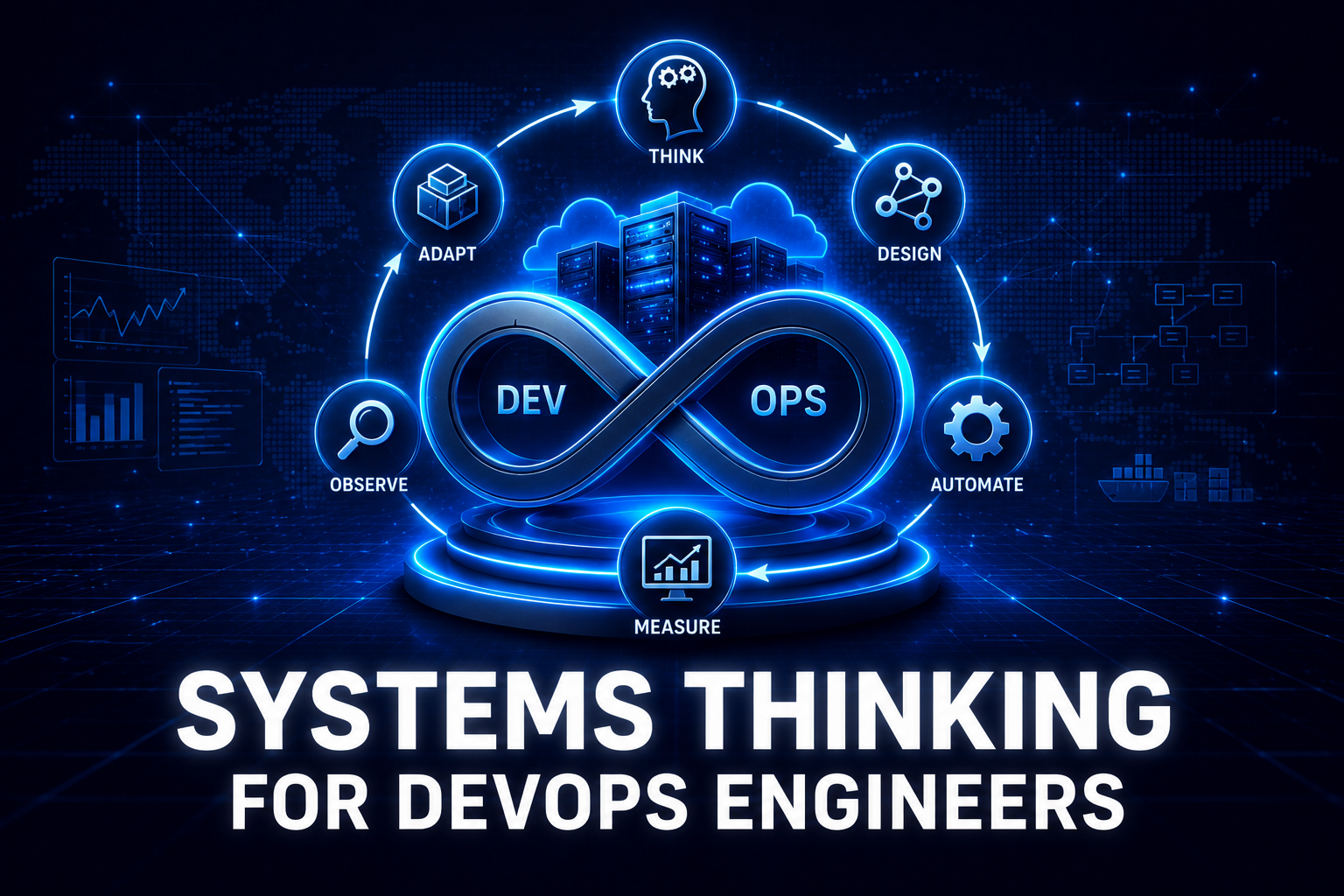
Systems Thinking for DevOps Engineers
AvailableLearn to see the feedback loops, delays, and structures behind recurring incidents and firefighting -- and find the leverage points that actually change how your systems and teams behave. Level: Advanced.
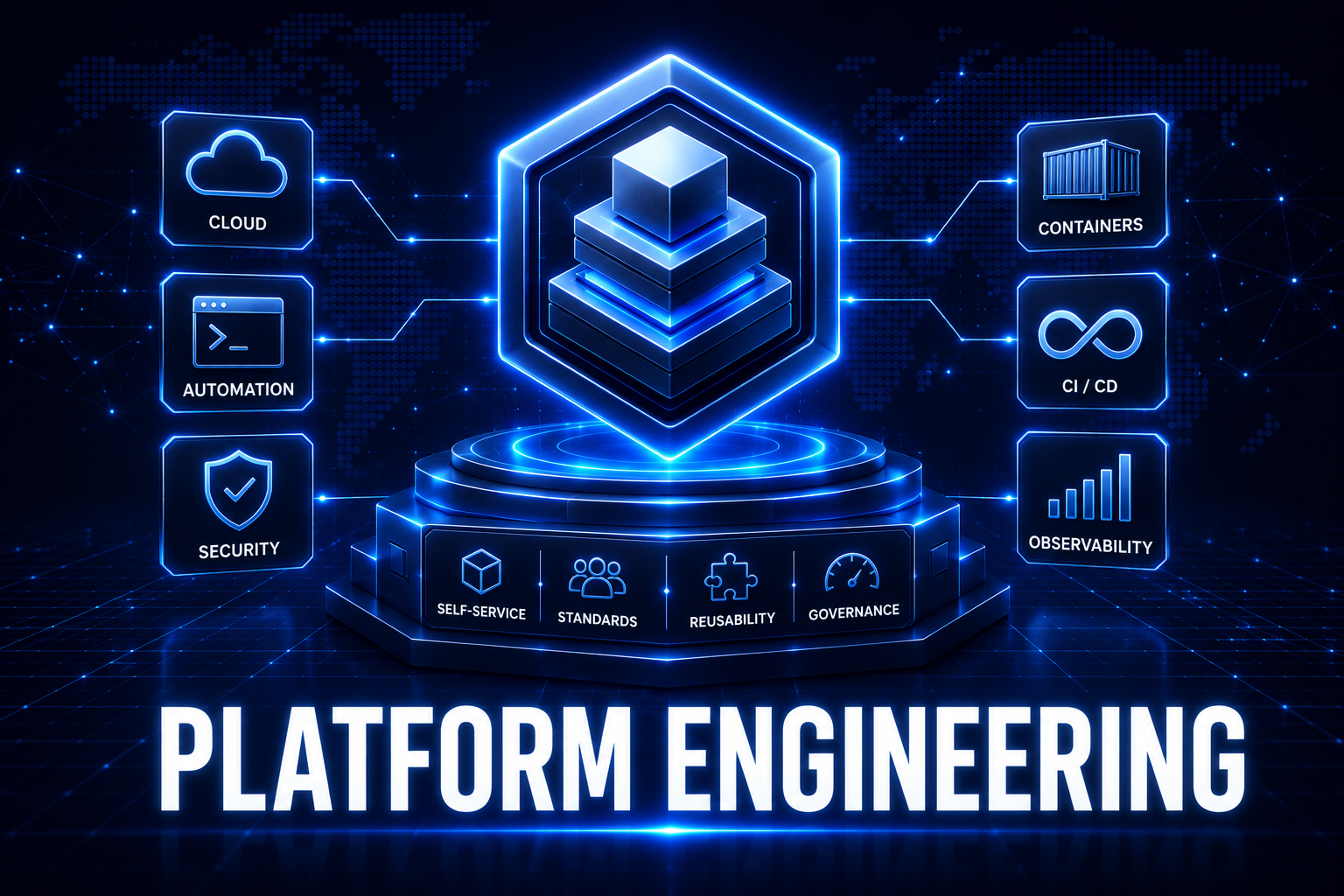
Platform Engineering
AvailableBuild an internal developer platform: golden paths, self-service infrastructure, platform APIs and treating the platform as a product. Assumes Kubernetes, Terraform Infrastructure as Code, GitOps and CI/CD and Observability and Monitoring. Level: Advanced.
Training for your team
Corporate seats give a whole team a curriculum, progress reporting and invoiced billing. A seat is a concurrent place, not a one-off credit. Talk to us about which courses fit the work your engineers actually do.
Log in